Event Photography in Leicester: What Good Coverage Actually Looks Like

Event Photography in Leicester: What Good Coverage Actually Looks Like
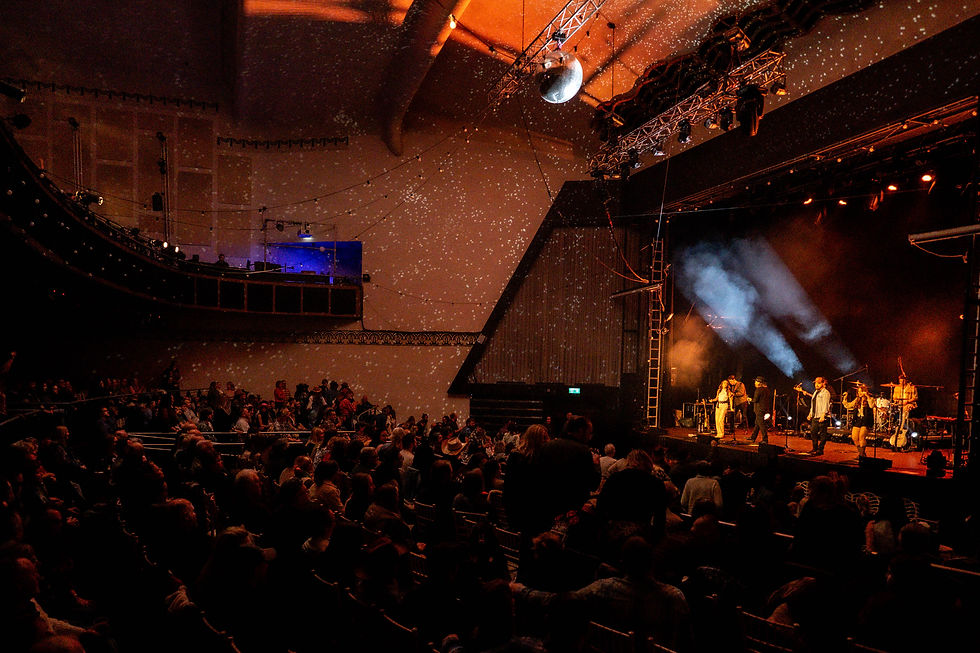
On the 1st of February I was at the Athena in Leicester covering Nashville At Heart, a modern country music show that filled the venue across a two and a half hour set. Multiple performers, a full band, a crowd that came dressed for it, and the kind of mixed stage lighting that makes a photographer's life genuinely interesting.
It is a useful event to write about because it covers most of what event photography actually involves, and most of what clients need to understand before they book someone.
The brief is wider than people think
When most people commission event photography they are thinking about the obvious deliverables. The performers on stage. Maybe a wide shot of the crowd. Something that confirms the event happened and looked good.
What they tend to underestimate is the range of images a full evening actually generates. At the Athena that night the useful pictures started early in the set, when the room was still finding its energy and the light had a different quality to it. They continued through the performance as the band moved through different configurations, different performers stepping forward, the dynamic on stage shifting across two and a half hours.
A guitarist leaning into a solo. Two audience members in cowboy hats deep in conversation between songs. The silhouette of two performers against the haze before a section began. The drummer working through a passage where all the attention was elsewhere on stage.
None of those were requested. All of them ended up in the final set because they were there to be noticed, and they add texture to coverage that would otherwise just be a series of stage shots.

Lighting is the job, not the problem
Live music venues are not set up for photographers. They are set up for audiences. The lighting design is built to serve the performance, which means it changes constantly, comes from directions that are rarely flattering, and does things that a camera sensor finds genuinely difficult.
At the Athena the lighting shifted between deep red washes across the crowd, tight spots on individual performers, and wide blue beam effects that cut across the stage. Some of that is workable. Some of it requires fast decisions about exposure, position, and when to wait for something better.
The photographers who struggle in these conditions are usually the ones trying to impose their preferred settings on an environment that will not cooperate. The approach that works better is reading what the light is doing and finding the image that exists inside it rather than fighting it. The red crowd shot works because of the red, not despite it. The isolated drummer in blue works because the rest of the frame is dark. Working with available light in an event setting is a skill that takes time to develop, and the results look different to anything a flash-heavy approach would produce.

Covering the whole room, not just the stage
There is a temptation in event photography to spend the entire time in front of the stage. The performers are there, the action is there, and it feels like the obvious place to be.
The problem is that a set of images shot exclusively from the pit or the front of house tells an incomplete story. It shows you what was on stage. It does not show you what the event felt like to be at.
The wide establishing shot of the Athena with the full crowd and the stage lit behind them does something that a tight performer shot cannot. It shows the scale of the room, the atmosphere, the fact that this was a significant night in a significant space. The crowd reaction shots show engagement. The detail images from the margins show the texture of the audience and the culture around the event.
Good event coverage moves. It shifts between positions, between focal lengths, between subjects. It treats the audience as part of the story rather than just the backdrop to it.

The performers away from the spotlight
At any event with multiple people on stage, the instinct is to follow whoever is most prominent at any given moment. The lead vocal. The person the lights are on. That is where most photographers point their camera most of the time.
What that misses is everything happening around the edges of the main action. A band has five, six, seven people on stage and most of them are doing something worth photographing at any given point. The bassist locked in during a section where the guitarist is soloing. The drummer mid-strike, arms up, caught in the moment before the hit lands. Those images are available throughout the set and they tell a different part of the story.


What organisers actually need from the images
Event organisers tend to use photography for a fairly predictable set of purposes: social media in the days after the event, press coverage, promotional material for future events, and documentation for sponsors or partners. Each of those uses has slightly different requirements.
Social media wants energy and immediacy. Individual performer shots and crowd reaction images work well here. Press coverage usually wants a strong single image that reads quickly at small sizes. Promotional material for future events needs images that make someone who was not there wish they had been. That is where the wide venue shots and atmosphere images earn their keep.
A photographer who understands those end uses will shoot to cover all of them rather than defaulting to whatever is easiest from the front row.
If you are planning an event in Leicester or the East Midlands
Whether you are running a music night, a corporate event, an awards evening, or something larger across multiple acts or stages, the coverage approach is the same. Arrive early. Understand the space and the schedule. Move throughout the event rather than staying in one position. Treat the margins as seriously as the main action.
The images from Nashville At Heart at the Athena show what a two and a half hour evening in a full venue can produce when that approach is applied consistently. If you have an event coming up and want to talk through what coverage would look like, get in touch.


Comments