What You Actually Get When You Book a Documentary Photographer

Dec 17, 2025
4 min read
Most people think they are booking photographs.
That makes sense. You reach out to a photographer because you need images. An event. A space. A product. People doing things that matter to your business or organisation.
But the part that often gets overlooked is that you are not really booking photos. You are booking how someone shows up, how they move through a space, and how they see moments while everything else is unfolding.
That difference matters more than most people realise.
Documentary photography, without the buzzwords
Documentary photography gets used a lot as a label. It sounds good, but it can mean very different things depending on who is using it.
For me, it simply means this. I work around what is already happening rather than trying to reshape it. I observe first. I pay attention to people, light, movement, and rhythm. I step in only when it adds something rather than interrupting it.
There is no script. No rigid shot list that forces moments to happen on demand. No pressure to perform for the camera.
The goal is to record what the day actually felt like, not just what it looked like.
That might sound subtle, but it changes everything about how a shoot feels from the inside.
How I work on the day
I tend to arrive early. Not to start shooting straight away, but to get a sense of the space. Where the light falls. How people move through it. Where the quiet moments happen.
Once things start, I stay fairly low profile. I am there, but not directing traffic. I am watching interactions, body language, and small details that usually pass unnoticed.
If someone looks uncomfortable, I back off. If something genuine starts to unfold, I stay with it. If a moment is about to happen, you can often feel it just before it does.
When people do notice me, it is usually because they are already relaxed. That is when the best photographs happen. Not when someone is told to smile, but when they forget the camera is there at all.
Working with people who hate cameras
A lot of clients say the same thing early on.“Our staff hate having their photo taken.”“I feel awkward in front of a camera.”“We are not very photogenic.”
That is far more common than the opposite.
Documentary photography works well here because it removes pressure. You are not being asked to perform or hold a pose. You are just doing what you would normally do.
People relax when they are allowed to be themselves. Once that happens, expressions change. Posture softens. Interactions become real again.
Those are the images people recognise themselves in afterwards.
Real environments, real conditions
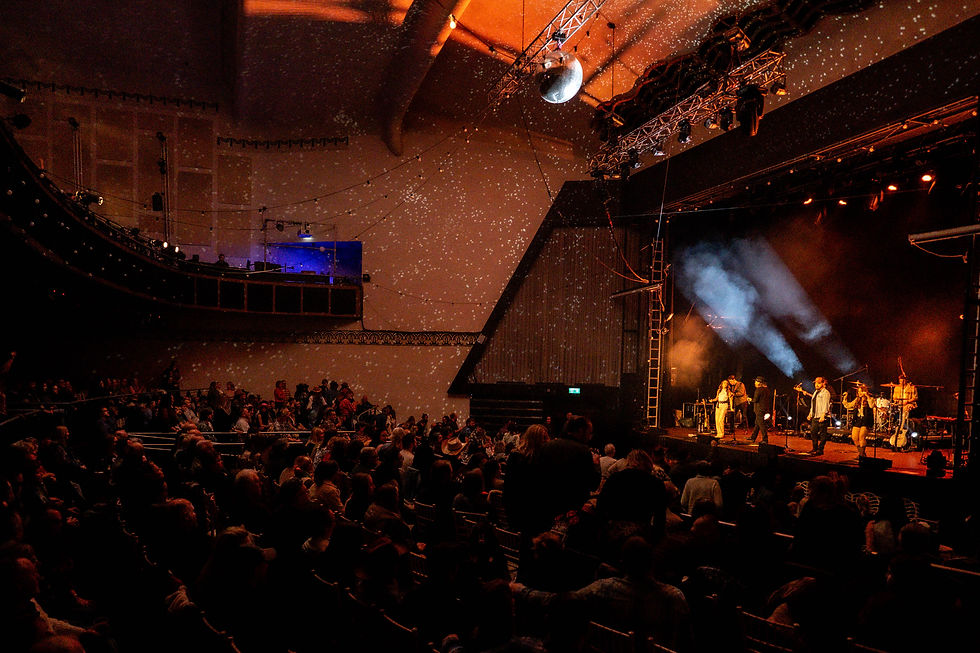
Not every space is perfect. Light can be mixed. Rooms can be cramped. Weather can turn. Events do not wait for ideal conditions.
That is part of the job.
Rather than trying to fight those things, I work with them. Available light. Movement. The energy of the moment. Sometimes the most interesting images come from places that would never make it into a studio setup.
This approach is especially useful for businesses, events, and community organisations because it reflects reality. The images look like your world because they are made inside it.
What clients usually notice afterwards
One of the most common bits of feedback I hear is not about sharpness or colour or technical detail.
It is usually something like,“I did not realise you were there for that.”“I forgot that moment even happened.”“That is exactly how it felt.”
Those reactions matter to me more than praise about equipment or editing style.
It tells me the photographs are doing what they are supposed to do. They are holding onto moments people did not know they wanted to keep.
What this approach is and what it is not
This style is not about heavy posing.It is not about forced smiles or manufactured moments.It is not about turning real people into stock photography.
It is also not chaotic or careless. There is still intention behind every frame. The difference is where that intention sits.
The priority is always the experience first and the photograph second. When you get that order right, the images tend to take care of themselves.
Why this matters for your business or event
If you need images that feel natural, honest, and grounded in reality, this approach works.
It helps people trust what they are seeing. It gives context. It tells a story rather than just filling space on a website or social feed.
For events, it captures atmosphere rather than just attendance.For brands, it shows people and process, not just products.For organisations, it reflects values through action rather than statements.
That is what documentary photography offers when it is done with care.
A quiet promise
When you book me, you are not booking someone to take over your space.
You are booking someone who will pay attention, stay out of the way when needed, step in when it counts, and leave you with photographs that feel like they belong to you.
If that sounds like what you are looking for, the case studies on this site will give you a clearer sense of how that looks in practice.
And if not, that is useful too.
The right fit matters on both sides.



Comments